Hotel Digital Signage: Scaling From One Property to Many
Hotel digital signage that scales from one property to many. See how multi-location operators streamline guest comms and brand consistency.
Growing from one hotel to many is the dream — but the moment you open property number two, every operations gap doubles. Front-desk teams field the same questions in two languages of design. Brand standards drift. Guests at the new property notice that the lobby "feels different." And the printed signs you reprinted last quarter are already wrong again.
This is where hotel digital signage stops being a nice-to-have and becomes the operational backbone of a multi-property hospitality brand. Done well, it lets a small corporate team push consistent guest messaging, event listings, wayfinding, and promotions to every lobby, elevator bank, and food-and-beverage outlet — without flying anyone to the property to swap a poster.
Why Multi-Property Operators Are Standardizing on Digital Signage
Independent hoteliers and small chains scaling past their first or second property hit the same set of growing pains: inconsistent branding, slow updates, and a guest experience that varies wildly between locations. Static signs and printed collateral can't keep up with how fast a modern hotel needs to communicate.
Recent truDigital customers in the hospitality space — including Royal Family Villa and KOA-branded properties like St. Mary East Glacier KOA and Valdez KOA — share a common pattern. They started with a single screen at a single property to test the concept, then scaled to additional locations once the value was obvious. The unifying thread: a cloud-based platform that lets one person at headquarters update every property in seconds.
The Cost of "We'll Just Print Another Sign"
Printed signage feels cheap on day one and expensive on day ninety. Multiply that across five, ten, or fifty properties and the math gets painful fast: design time, print costs, shipping, install labor, and the inevitable reprint when a phone number or event detail changes. More importantly, every printed sign is a tiny missed opportunity to upsell a spa package, fill a slow restaurant night, or surface a loyalty offer.
What Hospitality Digital Signage Actually Does Across Locations
The capabilities that matter most to a scaling hotel group fall into four buckets:
- Guest-facing communications: welcome screens, event schedules, daily activity boards, and area maps that update automatically as content changes.
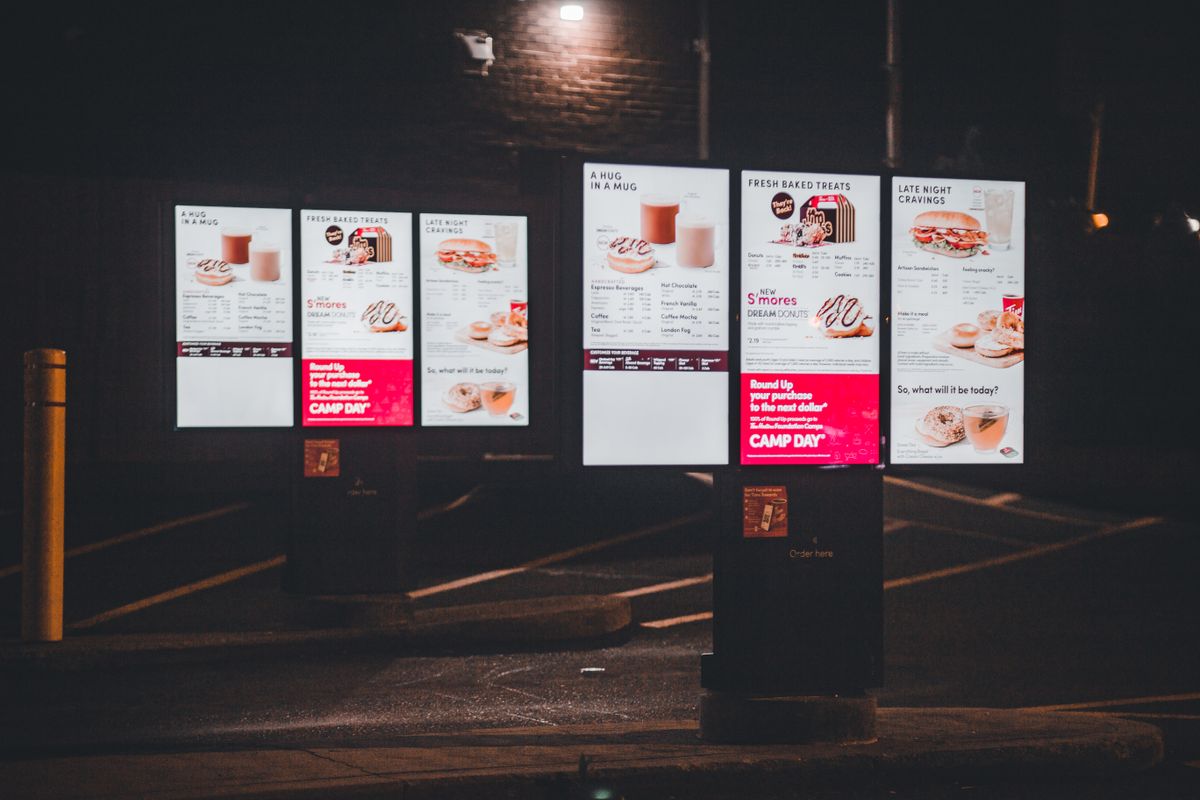
- Revenue-driving promotions: dynamic restaurant menus, spa specials, room-upgrade offers, and partner promotions targeted by property and time of day.
- Operational wayfinding: lobby directories, conference room schedules, and elevator bank displays that route guests without staff intervention.
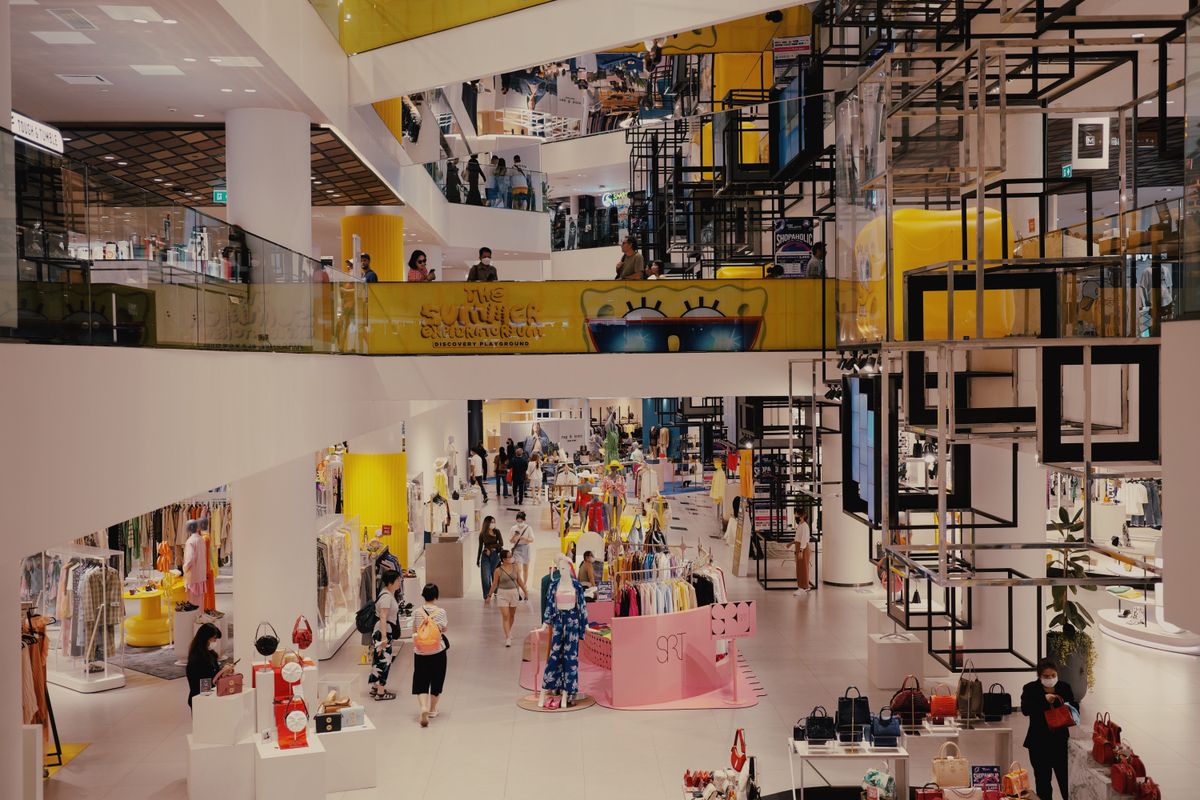
- Brand reinforcement: looping b-roll of the property, neighborhood highlights, and seasonal storytelling that makes every location feel like the flagship.
Each of those use cases is mundane in isolation. Together, they shift a hotel from a place that has signs to a property that actively communicates with its guests around the clock.
The Multi-Location Playbook: One Dashboard, Many Properties
The single biggest reason multi-property hoteliers move to digital signage is centralized control. With truDigital's cloud-based CMS, the corporate marketing team — or a single property owner managing two or three locations — works from one dashboard, organizes screens by property and zone, and pushes updates instantly.
Group Screens by Property, Then by Zone
The cleanest setup mirrors how the business already thinks. Create a screen group for each property, then sub-groups inside each property for lobby, restaurant, elevator banks, conference area, and fitness center. When a new event drops, the operator selects the right zone and pushes — no remote desktops, no on-site IT visit.
Build Templates Once, Reuse Everywhere
truDigital's library of 500+ templates and apps means a small team can deploy a polished, on-brand display in minutes. A welcome-screen template can be set up once with property-specific variables — name, address, manager-on-duty — and reused as the brand scales. New properties become a copy-paste exercise instead of a design project.
Schedule by Day-Part and Property
Hospitality runs on day-parts: breakfast service, mid-day check-ins, evening turndown, late-night arrivals. Digital signage should match. Schedule restaurant menus to flip from breakfast to lunch to dinner automatically. Push happy-hour promotions to lobby screens only between 4-6 p.m. Surface late check-in instructions on overnight loops. The same logic applies across every property without anyone touching a remote.
The Guest Experience Layer Most Hotels Miss
It's tempting to treat digital signage as an advertising medium. The hotels that win with it treat it as a hospitality medium. A lobby screen that quietly anticipates what guests need — directions to the pool, today's weather, tomorrow's continental breakfast hours — does more for review scores than any banner ad.
Pair that with property-specific content: highlight a local farmer's market, feature a long-tenured front-desk team member, or loop drone footage of the property at golden hour. The goal isn't to fill empty screen time. It's to make the first thirty seconds of a guest's arrival feel intentional and on-brand.
What to Look for When You're Choosing a Platform
For a small or mid-size hotel group, the platform decision usually comes down to four practical questions:
- How fast can your team get a new property online? The right answer is hours, not weeks. Cloud-based platforms with plug-and-play player hardware make new-property onboarding nearly invisible.
- Who owns content updates day-to-day? If your front-desk manager can't update a screen in under five minutes, the platform is too complex. Look for drag-and-drop tools and pre-built templates and apps.
- How does support actually work? Many platforms outsource support to overseas tier-one teams. truDigital provides unlimited US-based support — meaning when a screen at your newest property goes dark on a Saturday night, you talk to someone who can fix it.
- Does pricing scale with you, not against you? Per-screen licensing should reward growth, not punish it.
A Realistic 90-Day Rollout for Property Two
For an operator opening their second property, the practical rollout looks like this. In the first thirty days, audit screens at the existing property, document the templates and zones that work, and standardize the content library. In days thirty to sixty, order hardware for the new location and pre-stage all screen groups in the CMS so the new property goes live the day it opens. In the final thirty days, train front-desk staff on light content edits and set a monthly cadence for corporate-led content refreshes.
Done this way, the second property launches with a guest-facing experience that's indistinguishable from the original — and a marketing engine that scales without adding headcount.
Where to Go From Here
Hospitality is one of the highest-impact use cases for digital signage because every property has so many screens already in play — TVs in the gym, displays at check-in, menu boards in the restaurant. Networking those screens into a single managed system is how a growing hotel group buys back operational hours and tightens brand consistency in one move.
If you're scaling from one property to many and want to see how truDigital's platform handles multi-location hospitality, request a personalized demo. A specialist will walk through the multi-property dashboard, template library, and US-based support model — and show exactly how the next property comes online.
See it in Action
Get a free, no-pressure demo of our unique platform and find out how it can transform your business.